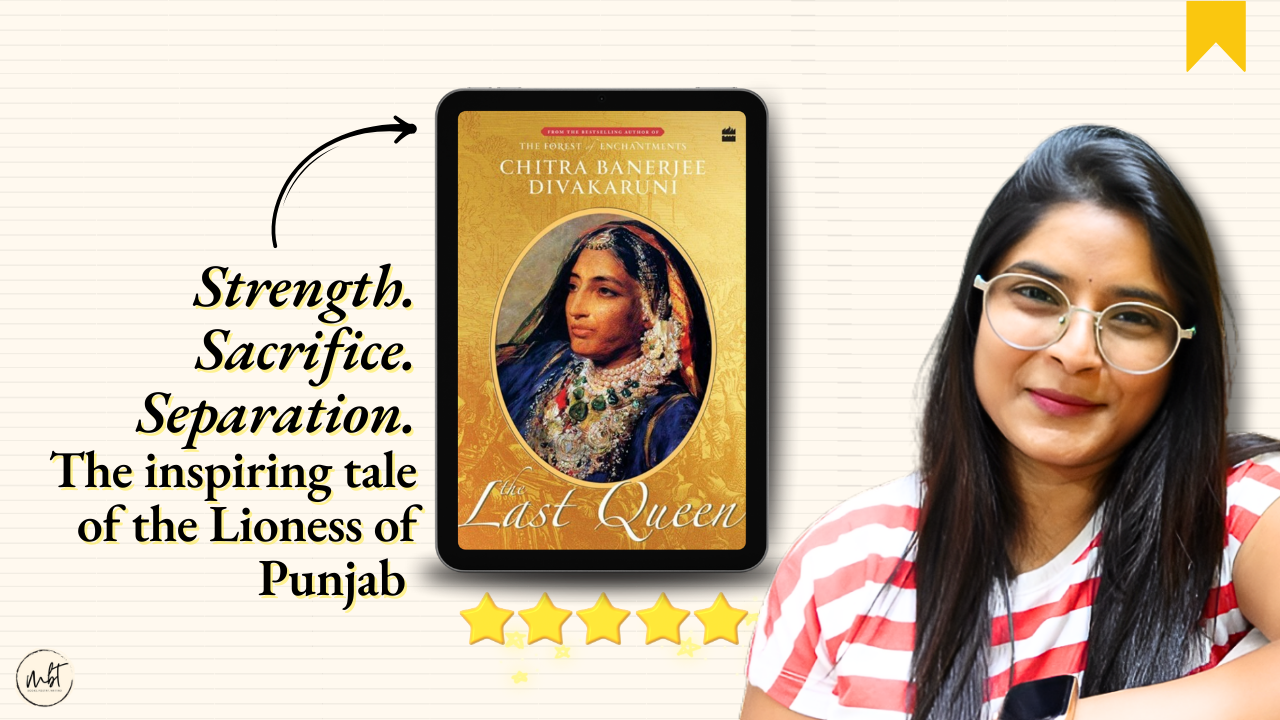

Daughter of the royal kennel keeper, the beautiful Jindan Kaur went on to become Maharaja Ranjit Singh’s youngest and last queen; his favourite. She became regent when her son Dalip, barely six years old, unexpectedly inherited the throne. Sharp-eyed, stubborn, passionate, and dedicated to protecting her son’s heritage, Jindan distrusted the British and fought hard to keep them from annexing Punjab. Defying tradition, she stepped out of the zenana, cast aside the veil and conducted state business in public. Addressing her Khalsa troops herself, she inspired her men in two wars against the ‘firangs’. Her power and influence were so formidable that the British, fearing an uprising, robbed the rebel queen of everything she had, including her son. She was imprisoned and exiled. But that did not crush her indomitable will.
An exquisite love story of a king and a commoner, a cautionary tale about loyalty and betrayal, and a powerful parable of the indestructible bond between mother and child, Chitra Banerjee Divakaruni’s unforgettable novel brings alive one of the most fearless women of the nineteenth century, an inspiration for our times.
Author: Chitra Banerjee Divakaruni | Publisher: Harper Collins India | Genre: Historical Fiction
Buy on Amazon
“I may be injured; I may even be wounded to the heart; but I’m not defeated yet.“
Famously known as Sher-e-Punjab, we’ve all heard or read about the last King of Punjab, Maharaja Ranjit Singh; who was also the founder of the Sikh Empire. But little to less recognition has been afforded to his beautiful, fierce last wife – Rani Jindan Kaur. This book is her story. Written in 4 parts, it follows the life of Jindan Kaur, the daughter of a royal kennel keeper. So astonishing were her beauty and intelligence that Maharaja Ranjit Singh makes her his queen. After his death, she becomes Queen Regent, the mother of his heir, Duleep Singh, and finds herself thrust into the treacherous world of palace politics. With Punjab facing increasing threats from the British and internal betrayals, Jindan refuses to be a passive observer.
“I’ve done nothing wrong – nothing except follow my heart. But the world is cruel to women who love.“
She takes charge as regent for her young son, fighting against both court conspiracies and the expanding British Empire. Her resistance leads to her eventual exile, imprisonment, and heartbreaking separation from her son. However, even in exile, her spirit remains unbroken, making her one of the most remarkable figures in Indian history.
In a time when women were expected to remain in the shadows, she boldly stepped forward, refusing to be silenced. The novel provides a poignant account of British colonial expansion and the systematic dismantling of the Sikh Empire, highlighting the strategies used by the British to weaken Indian rulers. Jindan’s personal relationships—her deep love for her son, her trust in allies who betray her, and the sacrifices she makes for her people—are central to the plot. Many historical figures play important parts in the story such as Prince Duleep Singh, Mangla – her hand maid, Jawahar Singh – her brother, Raja Ranjit Singh, Datar Kaur (Raja’s 2nd wife), Nau Nihal Singh (Raja’s grandson) among others.
“A wise person allows herself to be used when it suits her purpose. She pretends weakness, then waits for the right moment to take control.“
Rich historical details, strong protagonist, emotionally-charged characters, royal settings, colonial period, together create a poignant experience. The first-person narrative brings Jindan’s voice to life, allowing readers to feel her triumphs and sorrows intimately. Chitra attempts to amalgamate history, female leadership, and love of motherland to create a moving story that will leave you in bits but also inspired and positively impacted. The novel is a must-read for lovers of historical fiction, Indian history, and stories of powerful women who defy the odds. Readers who enjoy strong female protagonists, fans of historical fiction, and those who appreciate emotionally rich, character-driven storytelling will find this book immensely satisfying. The Last Queen is a poignant and necessary read that reclaims the legacy of one of India’s most formidable queens.

Chitra Banerjee Divakaruni is an award-winning Indian-American author and poet known for exploring themes of immigration, multiculturalism, women’s experiences, and South Asian heritage in her work. Her books, including The Mistress of Spices, Sister of My Heart, Palace of Illusions, and Before We Visit the Goddess, have gained international acclaim, with several being adapted into films, TV shows, and plays. Born in India, she moved to the U.S. in 1976, where she earned a Ph.D. in English from the University of California, Berkeley. Currently teaching Creative Writing at the University of Houston, she actively supports organizations like Maitri, Daya, and Pratham, which aid South Asian women and underprivileged children. Her storytelling continues to bridge cultures, shedding light on the immigrant experience and women’s empowerment.